Clients sometimes ask if it is a mistake to leave the outside of a house untreated. On the Norwegian coast, well-detailed timber cladding can last for generations without paint. What decides its lifetime is not the surface treatment, but how quickly the wood dries after rain.
Let it breathe
We always build cladding as a ventilated rainscreen. A cavity behind the boards, usually formed by 23 millimetre battens, is open at the bottom and the top so air can move and dry the back of the cladding. Without that gap, moisture stays trapped and rot starts from the inside.
Protect the end grain
Water enters wood mainly through the end grain, not the face. We cut the bottom ends of vertical boards at an angle so water drips off, keep the cladding well clear of the ground and of splashing water, and use stainless steel fixings so they do not leave black streaks.
Grey is a colour too
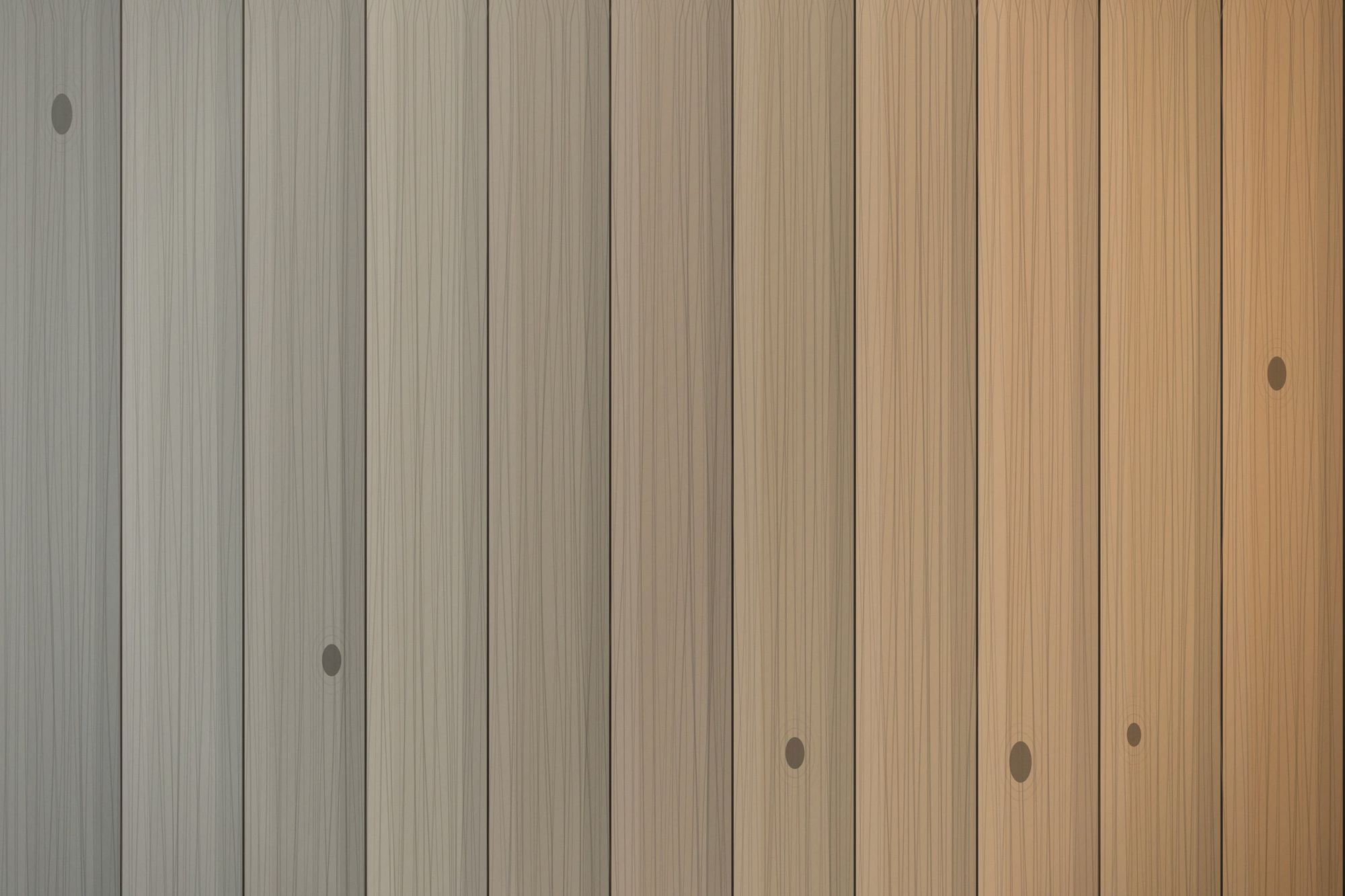
Untreated pine, spruce and larch weather to silver-grey within a few years, faster on the sides that get the most sun and rain. We talk about this with every client early on. Some choose a pre-greying treatment such as iron sulphate so the whole facade changes colour evenly from the first day.
A short checklist
- A ventilated cavity behind every board
- Board ends cut and lifted clear of splash zones
- Stainless steel fixings
- An honest conversation about grey